
Gum disease treatment in Ipswich QLD
Choose the experts for your gum disease treatment
Gum disease can pose a significant threat to the future health of your teeth, mouth and general wellbeing.
More and more research is also indicating that it is linked to various other health problems, including heart disease.
That’s why it’s important that you seek professional and effective gum disease treatment.
And that’s why more and more families are turning to Ipswich Family Dental.

Understanding gum disease, treatment and risk
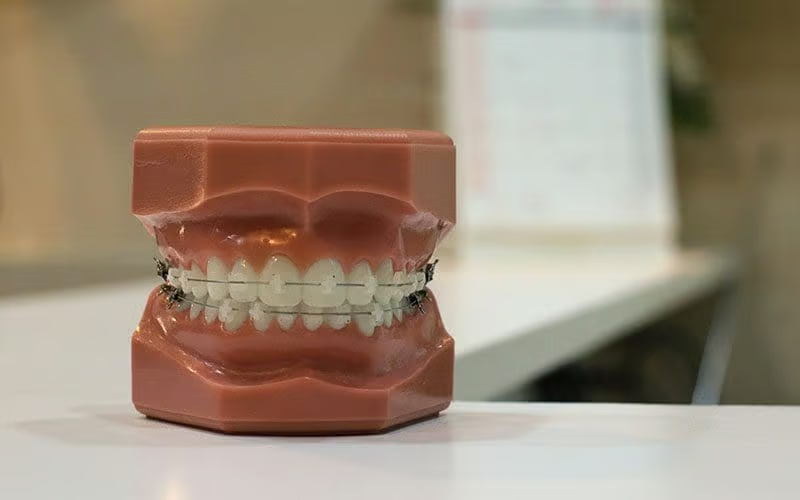
What is gum disease?
Gum disease is an infection of the tissues (called gum) in your mouth that hold and secure your teeth in place.
Most commonly, poor oral hygiene–such as bad brushing habits and not flossing–allows a build-up of excessive plaque on and around the teeth.
Some symptoms of this condition can include swollen, tender, sensitive or red/inflamed gums.
The two stages of gum disease
There are actually two distinct stages when it comes to disease in your mouth’s soft tissue: gingivitis and periodontitis.
Gingivitis
This stage of gum disease occurs when the plaque and tartar in your mouth builds up. The bacteria in the plaque causes your gums to inflame and can result in pain, redness and bleeding.
If you’re suffering from gingivitis, you can often treat it with daily brushing and flossing, combined with twice-a-year dental checkups with the team here at IFD.
Periodontitis
Periodontitis is the next stage of gum disease and occurs when gingivitis is not treated effectively. The gum around the tooth may become inflamed which causes it to “pull away” from the teeth.
The pockets created by the receding gums are susceptible to infection as debris and particles can get caught and build up in the space. Bacterial toxins and the enzymes that your immune system produces can cause the bone of your teeth to break down, as well as the important connective tissue that holds your teeth securely in place.
Serious cases of periodontitis can result in teeth becoming loose and needing to be extracted.
What are the risk factors of gum disease?
There are a variety of risk factors associated with advanced disease, including:
- Diabetes
- Smoking
- Hormonal changes in women
- Stress
- Illness
- Medication
- Genetic susceptibility
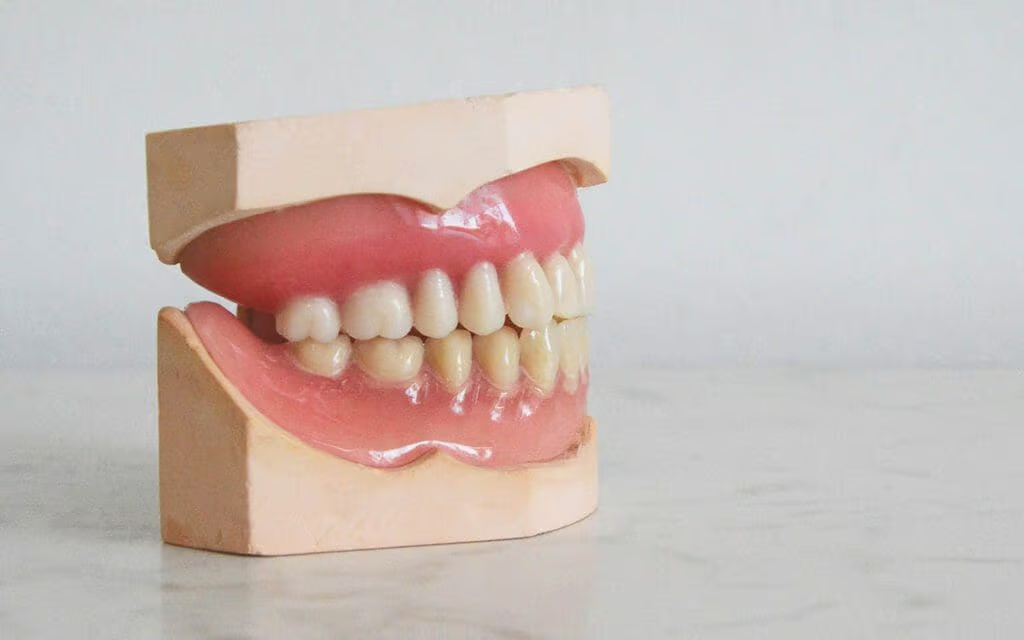

How to prevent gum disease?
The best way to prevent gum disease is by getting into good oral hygiene habits. These include brushing your teeth twice a day with a fluoride-containing toothpaste; flossing daily as well; eating nutritional and well-balanced; not using tobacco products or smoking; and regular visits to the dentist.
Here at Ipswich Family Dental, we recommend visiting the dentist twice a year. This allows our professional team to look for early signs and problems, and offer effective, early treatment as soon as possible. The earlier the treatment, the better the results.
What gum disease treatments are available?
While the preventative measures outlined above are the best way to go about dealing with gingivitis and periodontitis, early gum disease treatment can be very effective in minimising the damage of gum-related problems and ensuring the longevity and continued health of your teeth.
Professional treatment includes:
Your dentist will conduct a thorough examination of your gums using a special probe. By measuring the spaces between tooth and gum, they will be able to determine the health of not just the gum itself but the surrounding supporting structures also.
If necessary, you will be instructed in good tooth cleaning techniques and habits to help you remove any plaque or hardened plaque, called calculus. Regular hygiene appointments at our dental clinic will also ensure periodic teeth cleaning.
If your gum disease is advanced in its development and damage to your oral health, your dentist may consult with you regarding other more complex gum disease treatment to consider.
Book a consultation today
With our effective gum disease treatment, there’s no need to be glum!
If you’re experiencing bleeding, inflamed or sensitive gums, or you just want to book in a regular hygiene clean and scale, give us a call today on 3281 1781
Frequently Asked Questions
How long does gum disease treatment take?
The length of gum disease treatment depends on how advanced the condition is. Early stages, like gingivitis, may be treated in just a few appointments with professional cleaning and improved oral care at home. More advanced cases, such as periodontitis, often require ongoing treatment over several months. For more detail on timelines and care approaches, see our guide on how to treat gum disease.
Is gum disease treatment painful?
Most gum disease treatments are not painful. Professional cleaning and scaling can sometimes cause mild discomfort, but local anaesthetic can be used for deeper cleanings if needed. Our team ensures you’re comfortable at every step.
What happens if gum disease is left untreated?
If gum disease is not treated, it can progress from mild gum irritation to advanced periodontitis. This may result in gum recession, loose teeth, or even tooth loss. Untreated gum disease can also affect your overall health. Learn more in our article on understanding gum disease prevention and treatment options.
Are there surgical options for advanced gum disease?
Yes. In severe cases, surgical procedures such as flap surgery, gum grafts, or bone grafting may be recommended to restore gum and bone health. These treatments aim to save your natural teeth and improve overall oral stability.
Can gum disease come back after treatment?
Yes, gum disease can return if proper oral hygiene and regular dental check-ups are not maintained. Brushing, flossing, and routine dental visits are essential to keeping gums healthy long-term. Find out more about the benefits of healthy gums and how they support overall wellbeing.